What is it like to hold a fabric made with a technique once thought lost to history?
That sense of rediscovery defines the work of Diaspora Fashion pioneers. These designers do more than honour the past; they restore traditions and revive ancestral crafts. Their work is a vital cultural intervention, transforming historical techniques into the language of modern luxury fashion. By focusing on heritage-driven design, these creators revive beauty, affirm cultural legitimacy, and show that our past provides a foundation for future innovation.
Diaspora Fashion channels cultural wisdom to breathe new life into forgotten textiles and ancestral crafts. See how this worldwide renaissance safeguards heritage-inspired design.
Identifying Lost Textiles
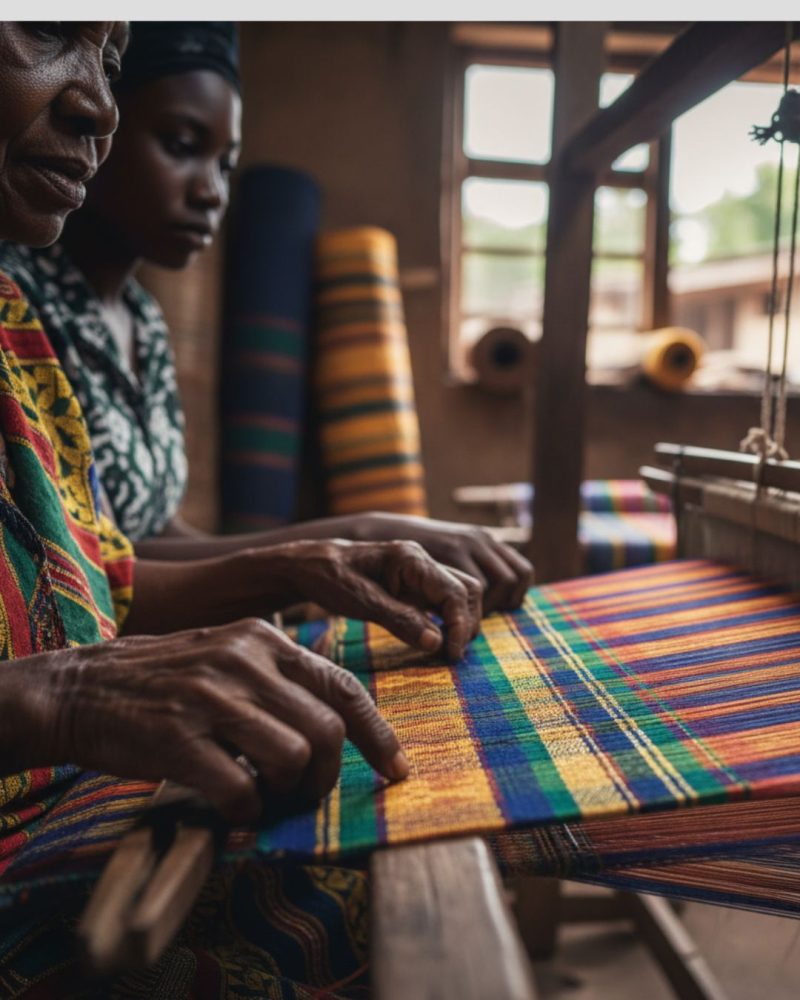
The first step in reclaiming lost textiles is to recognise the gaps they leave behind. These missing techniques constitute a significant loss to both cultural and economic history. Diaspora designers often begin their work in archives, museums, and old photographs rather than at a drawing table. In this way, they act like cultural archaeologists, gathering pieces of design knowledge.
Cameroonian designer Imane Ayissi, for example, built his haute couture brand by researching and bringing back traditional African materials such as raffia and kente, which the West had often ignored. Imane Ayissi researches and showcases traditional African materials like raffia and kente, challenging the singular view of African textiles.
Even finding a weaving pattern or an old dye recipe is a meaningful act of textile conservation. Careful research like this is key to preserving the cultural heritage found in each finished garment. Experts say that proving the authenticity of these methods is essential for attracting high-end buyers and justifying the higher prices these historic pieces can command.
Experts also confirm that investigating and historicising heritage are critical motives for consumers seeking authentic diaspora fashion objects. This careful recovery process turns design into a powerful act of historical restoration.
The Translation: From Archive to Atelier
Diaspora designers show their true talent by bringing forgotten textiles out of archives and into today’s studios. This is often the most challenging part, as it takes teamwork between researchers, artisans, and modern designers. Recreating lost techniques can mean building special looms or finding rare natural dyes.
Nigerian-British designer Adebayo Jones stands out for reviving Nigerian hand-dyed and woven textiles, raising them to international haute couture standards. This work is more than just copying; it updates the craft while keeping its historical and spiritual roots.
Designer Duro Olowu also draws on archival textile research, often working with museums and historical groups, to shape his colourful global collections. Duro Olowu is internationally celebrated for his masterful use of colour and prints, which are rooted in archival textile research and cross-cultural inspiration. By doing this, these designers give their pieces cultural legitimacy, showing that their value goes beyond trends and turns them into wearable history.
Valuing Heritage in Global Luxury

The last and most important step is turning lost textiles into global assets, with Diaspora designers leading this economic recovery. This revival increases the market value of cultural heritage by ensuring it is both authentic and rare. When designers use traditional techniques like Adire or Kente in modern luxury items, they can charge higher prices that reflect the work and cultural meaning behind them.
The economic impact of African textiles is significant, driving global demand for materials like Kente, which symbolise identity and command high value in luxury markets. This recognition from the market means local artisan communities benefit directly, helping to build a sustainable and ethical luxury industry.
For example, brands that pay fair wages and invest in long-term skill development create shared economic value, making the fabric a dependable commodity. Brands that obsess over provenance and pay living wages convert textile heritage into shared economic value, rather than exploitation. This change turns the textile into a valuable and verifiable form of intellectual property, offering economic justice to the original creators.
ALSO READ:
- How Nigerian Diaspora Weddings Changed Aso-Ebi Fashion Abroad
- How African Women Are Redefining Power Dressing Through Cultural Fashion
The Cultural Resonance: Securing Legitimacy and Identity
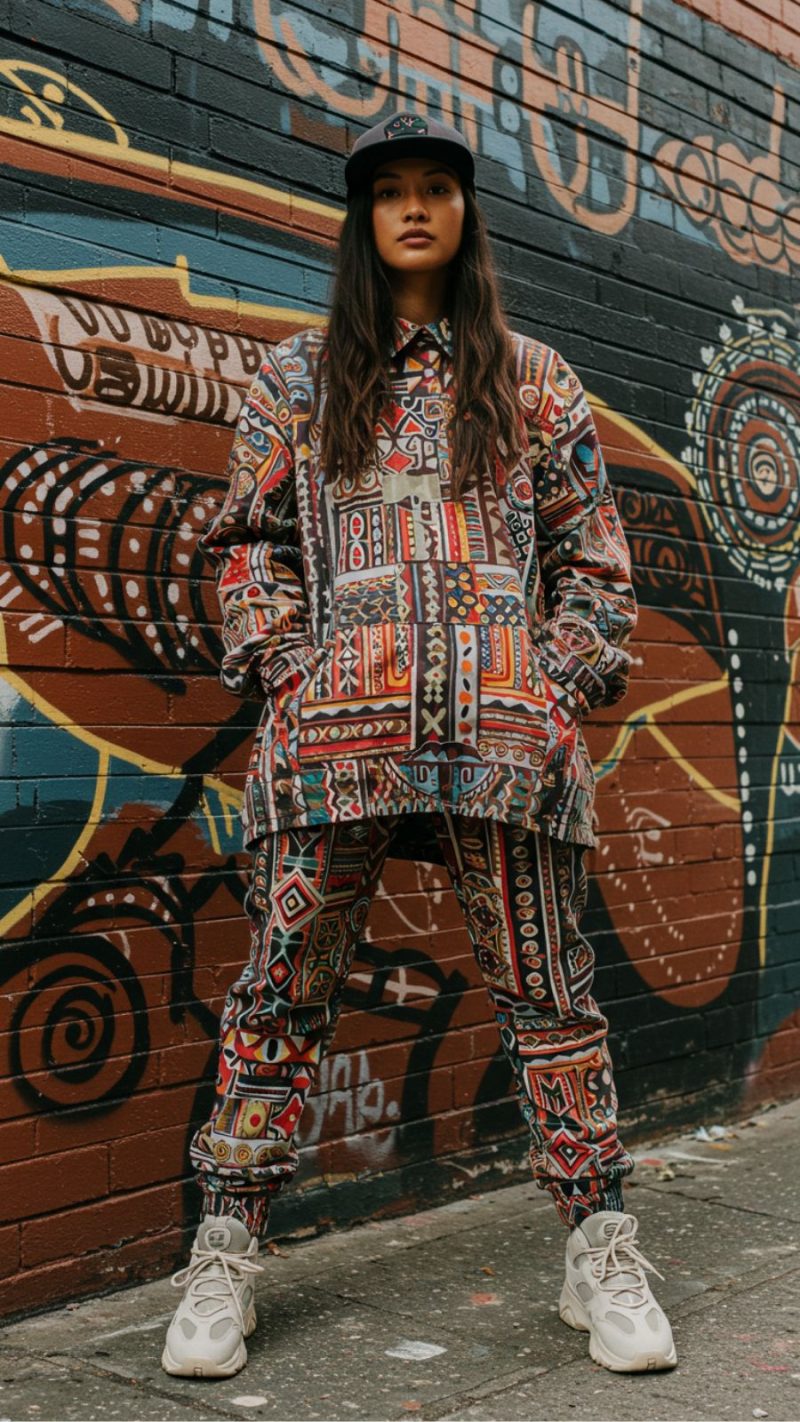
Diaspora Fashion shows that preserving culture can be a powerful form of innovation. This movement helps secure cultural legitimacy by bringing African ancestral knowledge into the global fashion world.
South African designer Thebe Magugu won the LVMH Prize by honouring tradition and heritage, visually telling the stories of his native South Africa through fabric.
Nigerian-British designer Duro Olowu is internationally celebrated for his innovative combinations of patterns and textiles that draw inspiration from his international background, often curating museum exhibitions that place antique African textiles alongside contemporary art to highlight their equal value.
Reports show that reviving textile heritage is now a significant influence, turning fashion into a way to express and protect identity. Africa’s Fashion Diaspora unites Black designers worldwide, presenting fashion as a form of cultural dialogue that transcends borders and builds cultural ties. By reclaiming and wearing these traditions, this heritage is preserved and passed on to future generations.
Uncover the economic and cultural stakes of this critical movement and follow the future of textile heritage revival exclusively on Omiren Styles.
Conclusion
Modern luxury fashion is being redefined by the rediscovered wisdom found in lost textiles. The work of Diaspora Designers goes beyond aesthetics; it preserves culture and supports economic justice, and deserves global recognition. Through careful research and collaboration, these designers ensure that centuries of knowledge are not forgotten but celebrated, giving the continent cultural legitimacy. Blending ancient crafts with modern design shows that heritage-based design drives future innovation. The global fashion industry should recognise that the past is the best guide for building a rich, sustainable, and authentic luxury sector.
Frequently Asked Questions (FAQs)
- What are the biggest challenges in this revival process?
A: The biggest challenges are often the inconsistent supply chain for authentic, indigenous raw materials and the competition from mass-produced imitations, which undermines the perceived value of true textile heritage revival.
- How do designers ensure the revival of lost textiles is not exploitation?
A: They ensure ethical practice by engaging in direct, long-term collaboration with artisan communities, providing fair compensation and skills transfer that secures the economic future of the local heritage-driven design.
- What is the long-term impact of this movement on global fashion culture?
A: The long-term impact is securing cultural legitimacy for African aesthetics, proving that sustainable, high-value modern luxury fashion can be rooted entirely in ancestral knowledge and textile heritage.
- Can this movement address a lack of specialised skills among younger generations?
A: Yes, by formalising the revival process and integrating it into design curricula and mentorship programmes, Diaspora Designers are actively bridging the generational knowledge gap and preserving ancient techniques.